By Luchiepearl
In a world obsessed with visibility, some of the most powerful people are learning the art of quietly stepping back.
When Silence Becomes A Statement
For years, modern culture has rewarded loudness, be seen, be active, be everywhere. Social media turned visibility into currency, and presence into pressure. But something subtle is shifting.
A new lifestyle trend is emerging among young adults, professionals, and even high-achievers: intentional withdrawal – the conscious act of stepping back from noise, overstimulation, and constant social performance.
This is not about isolation. It is not about depression or escape. It is something far more intentional. It is about disappearing softly, choosing peace over performance, depth over attention, and silence over saturation.
For the longest time, we were sold the idea that being seen equals being successful. Post more. Show up everywhere. Document every coffee, every win, every ordinary Tuesday. Social media turned our lives into performance art, and many of us played along until we realized we were exhausted from the applause that never quite filled us.
When last did you do something beautiful… without needing to show it?
“Not everything that matters needs an audience.”
What Does “Disappearing Softly” Really Mean?
It is the lifestyle choice of becoming less publicly available but more internally aligned. People embracing this trend are:
- Reducing their digital presence without announcements
- Leaving group dynamics that feel draining
- Saying “no” without long explanations
- Protecting their emotional energy like a valuable asset
- Choosing solitude without loneliness
This is not withdrawal from life – it is re-entry into self.
Not everyone will understand your distance.
Not everyone is meant to.
“You don’t owe the world constant access to you.”
Why This Trend Is Rising Now
Because We’re All Secretly Overloaded
We are living in an age of:
- Constant notifications
- Social comparison fatigue
- Emotional burnout disguised as productivity
- Pressure to document every moment
Psychologically, the brain was never designed for this level of stimulation. As a result, many are experiencing what experts now call “quiet overload” – functioning externally while feeling internally exhausted.
So people are responding in a new way: Instead of pushing harder… they are pulling back.
Question to sit with:
Are you tired… or just overstimulated?
“Sometimes the most productive thing you can do is disappear for a while.”
The Emotional Shift: From Being Seen To Being Sane
At the heart of this trend is a powerful redefinition of success.
Before:
- Being visible
- Being active online
- Being everywhere for everyone
Now:
- Being mentally clear
- Being emotionally stable
- Being selectively present
Peace has quietly become the ultimate luxury. Not the kind you wear or post about. The kind you carry inside, a regulated nervous system, unhurried mornings, and evenings that belong only to you.
For those exploring online entertainment, ensuring the security of your digital activities is essential. Discover how platforms like 28 mars casino implement security measures such as encryption and two-factor authentication by visiting https://invictusafrica.org/28-mars-casino-login-explained-for-australia-2/.
“Peace is expensive. Not everyone can afford to slow down.”
What Intentional Withdrawal Looks Like In Real Life
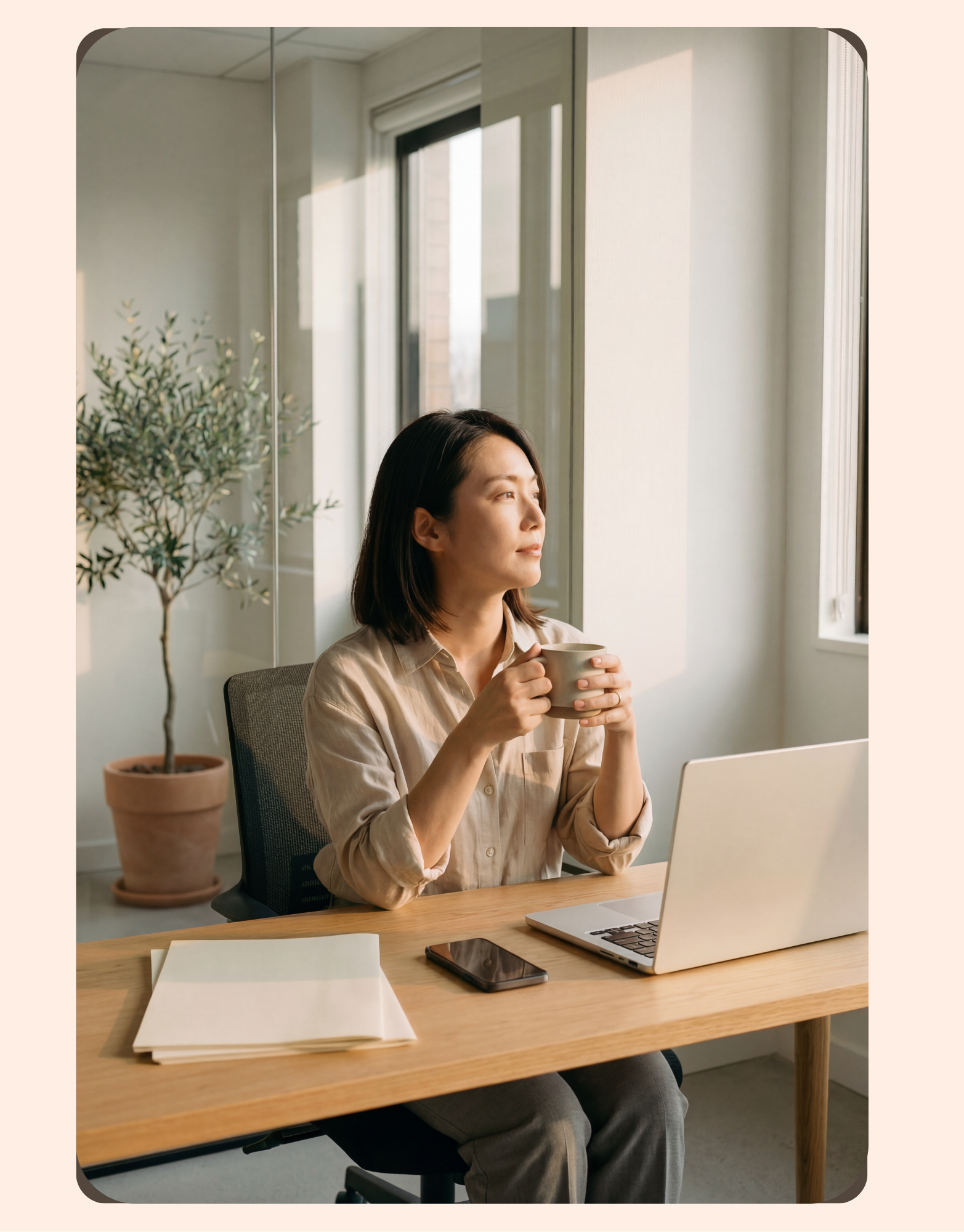
It is not dramatic. In fact, it is almost invisible. You might notice someone:
- Posting less, but living more fully offline
- Replying slower, but with more clarity
- Disengaging from unnecessary conversations
- Spending more time alone without explaining it
- Choosing rest over social obligation
And the most important part? They do not announce it.
Because the point is not attention — it is protection.
“Privacy is power. What people don’t know, they can’t disturb.”
The Psychology Behind It
Psychologists link this behavior to:
- Nervous system regulation
- Emotional boundary setting
- Burnout recovery
- Identity reformation
When the world overstimulates you, pulling back becomes an act of self-repair. It’s your body whispering, “Give me less noise so I can remember who I am beneath all of it.”
Check in with yourself: Do you feel like yourself… or a version built for survival?
Misconceptions About “Disappearing Softly”
Let’s be clear — this trend is often misunderstood. some people will misread this as coldness or laziness.
- It is not anti-social behavior
- It is not giving up on life
- It is not emotional detachment
Instead, it is:
- Conscious rest
- Emotional boundary-setting
- Mental decluttering
- A return to self-awareness
Reality check: People who benefited from your constant availability may struggle with your boundaries.
“You’re not hard to reach. You’re finally easy to protect.”
The Beauty Of Being Less Accessible
There’s something magnetic about someone who isn’t constantly accessible. When you stop scattering yourself everywhere, you become profoundly present where it matters most.
When you are not constantly seen, you begin to see yourself more clearly. When you are not performing, you begin to feel real again.
In many ways, disappearing softly isn’t about becoming smaller or less. It’s about stepping fully into the version of yourself that was waiting patiently behind the noise.
A gentle nudge: What would your life feel like… if it wasn’t an audience performance?
“The real glow-up is how peacefully you live your life.”
Closing Thought: The Softest Revolution
In a world that rewards loudness, the most radical act might be restraint.
To step back without guilt. To be quiet without apology. To exist peacefully without needing constant proof that you’re here.
“Disappearing softly” is not about being less. It is about becoming fully present within yourself again.
And that kind of inner peace?
In today’s loud, chaotic world, it might just be the most beautiful revolution happening.